I bought my first house in Seattle last year. Six months later, King County mailed me a piece of paper telling me it was worth $306,000 more than the year before.
Same house. Same tired roof, same list of things I already knew I'd be fixing for years. Nothing about it changed. But according to the county, it quietly appreciated by about a third of a million dollars — because a mass-appraisal model said so.
I'm a data engineer. I stare at other people's numbers for a living, and I've built enough models to know that a number this clean — a big round jump, no explanation attached — usually means nobody looked at the actual thing. It's an estimate from a computer that has never once stood in my kitchen.
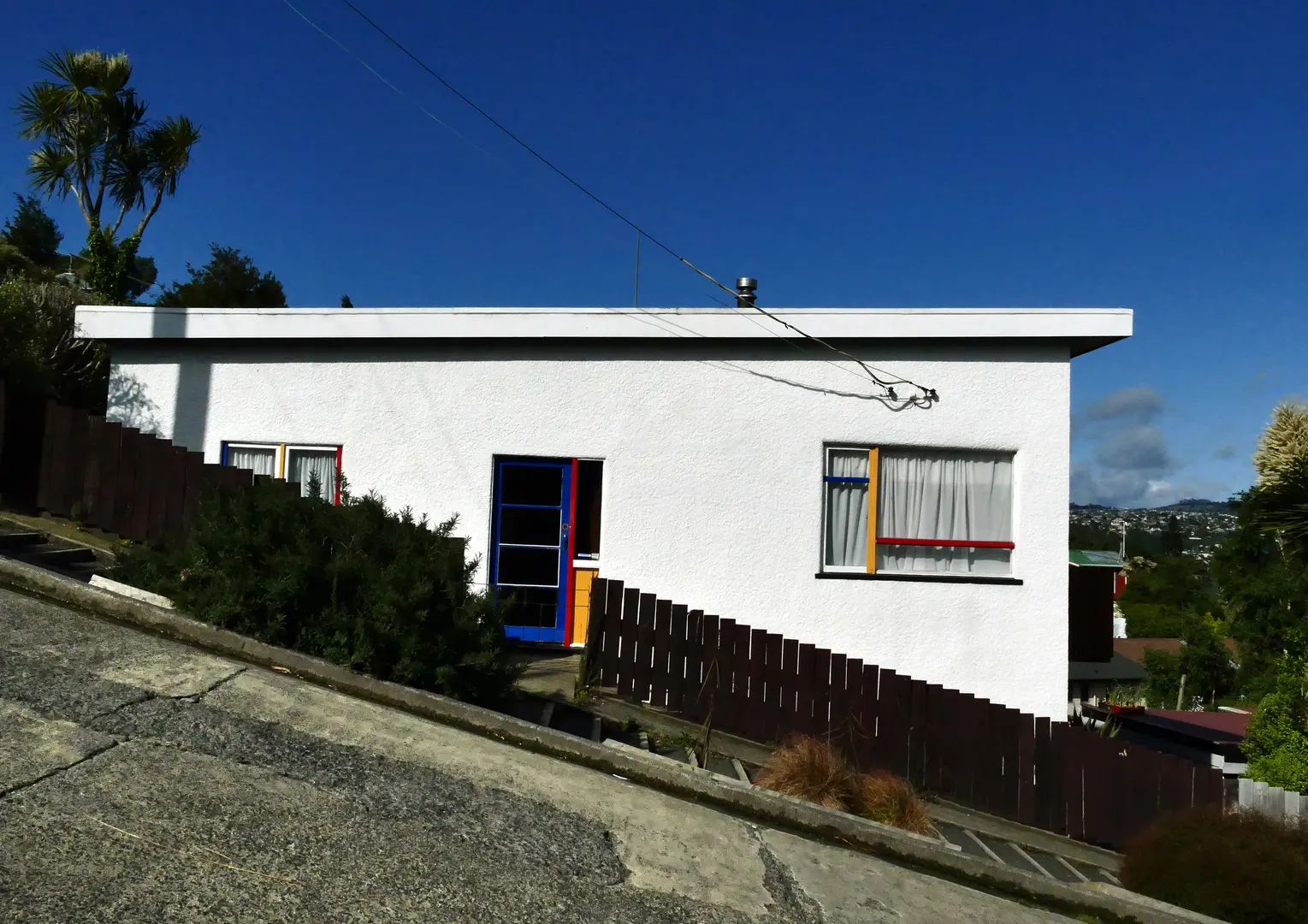
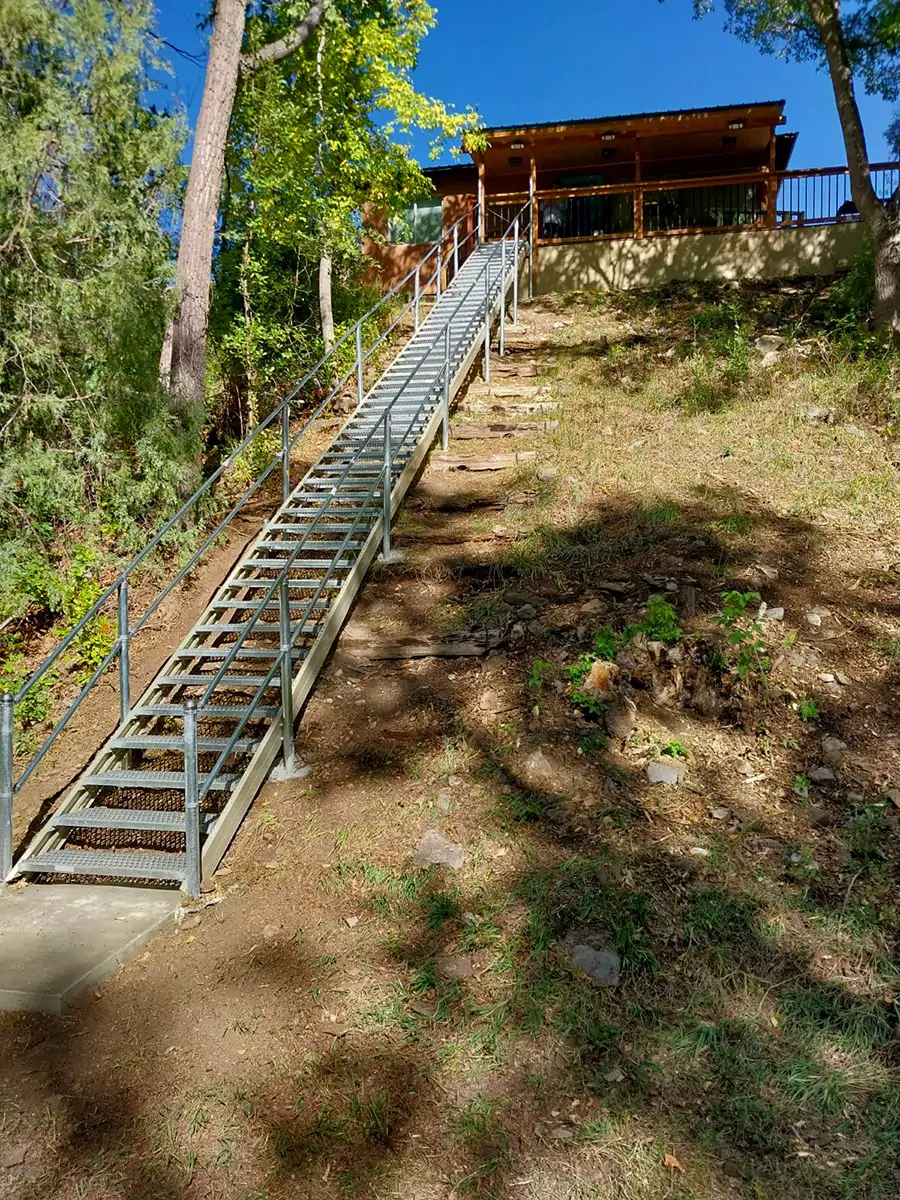
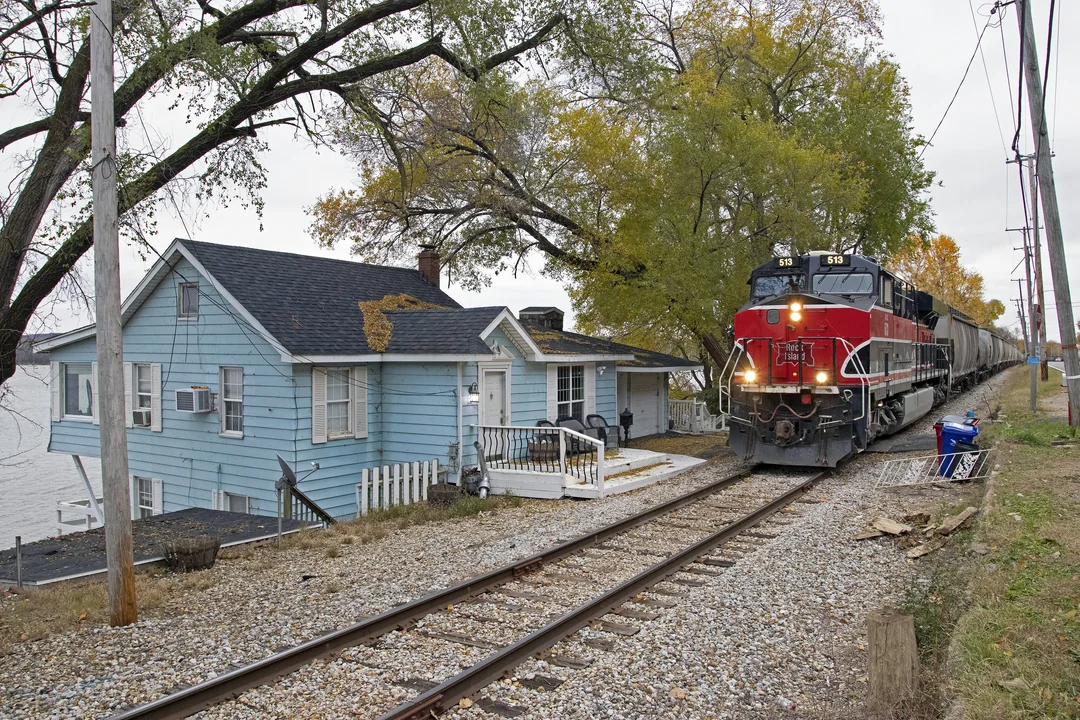
Which is annoying, because a mass-appraisal model can't see condition at all. Not a tired roof, not deferred maintenance — and definitely not the things that quietly gut a home's value: a lot on a brutal slope, no ground-level way in, a rail line running past the back fence. None of that shows up in a spreadsheet of square footage.
My honest first reaction was: who is going to pay that, and why is it me? And to be clear, I love this city. Genuinely. I also write a very large check every year to fund a government whose results are, let's say, not always visible from my front porch. You're allowed to love a place and be furious about how it's run at the same time. Both things can be true. What I'm not willing to do is overpay on a number nobody can defend, just because contesting it sounds like a hassle.
So I stopped being mad long enough to go read the rules. Then I got mad again, but productively this time, and I appealed.
Turns out it's less of a hassle than you'd think — and the whole system is more gameable-in-your-favor than it looks, once you understand it. So I wrote it all down. Read in order, or jump to what you need:
- How King County property taxes actually work — why your bill can go up when values go down
- Where your money actually goes — who's getting it (spoiler: mostly schools)
- Assessed vs. market value — the gap that makes an appeal possible
- How to appeal, step by step — exactly what I did
- Ways to lower the burden — beyond a single appeal
How it ended
I never made it to the hearing. After I filed, the Assessor's office sent back its own number: about $1.3 million. Not the $1,150,000 I'd asked for, but roughly $73,000 off — about $700 a year back, and a lower baseline for every assessment after it. I signed the stipulation and skipped the hearing.
Honest verdict: I took the smaller win because it was certain. Next year, if my comps are solid, I'm showing up and making the case in person.
Why there's a tool on this site
The appeal itself was easy. The evidence was not. Pulling recent sales, picking the ones that actually match your house, adjusting for size and age, formatting it so a Board can follow it — that's hours of spreadsheet work for one parcel.
The alternatives were worse. A tax consultant or attorney runs $300–500. Contingency services take 25–35% of your savings — on my $700 a year, that's up to $245 a year for work a computer can do. So I did what data engineers do: I loaded King County's public records (524,000+ properties, 63,000+ recent sales) and automated the boring part. The check is free. If it says you're overpaying, the full packet is $39 flat, and you keep all of the savings.